🐦‍⬛鶇 · doooong - blog

#Yesteryear #doooongMuse

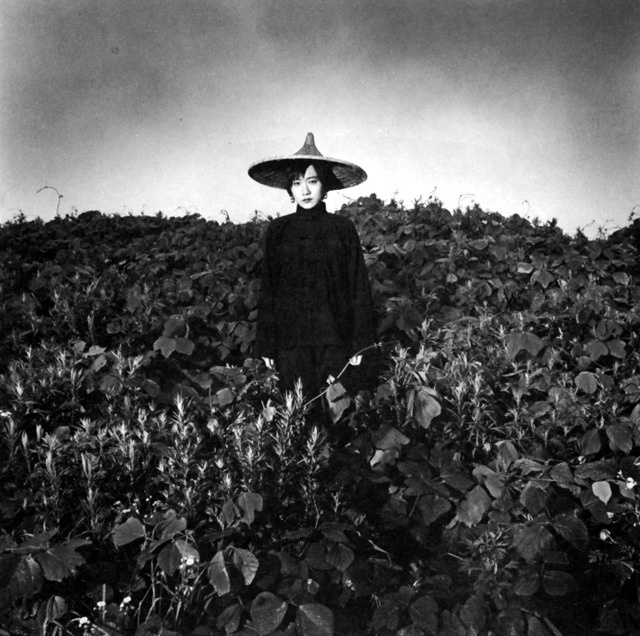
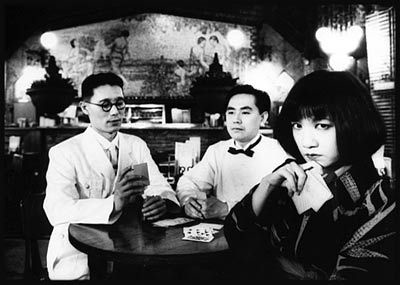
JUN TOGAWA 戶川純

Jun Togawa (戸川純, Togawa Jun; born 31 March 1961) is a Japanese singer, musician and actress. She is one of the greatest influences on Japanese avant-garde music and media, and her career spans over 35 years. Her close friends over the years include Susumu Hirasawa. She was mainly active from 1981 to 1995.

After gaining attention as a guest singer for the New Wave band Halmens and her acting roles in Japanese dramas and commercials for the Washlet, she began her professional music career in the early 1980s as a singer.[1][2] She joined former Halmens member Kōji Ueno and artist/lyricist Keiichi Ohta to form the Shōwa era-themed band Guernica in 1981, whose first album was released under YEN Records in 1982.

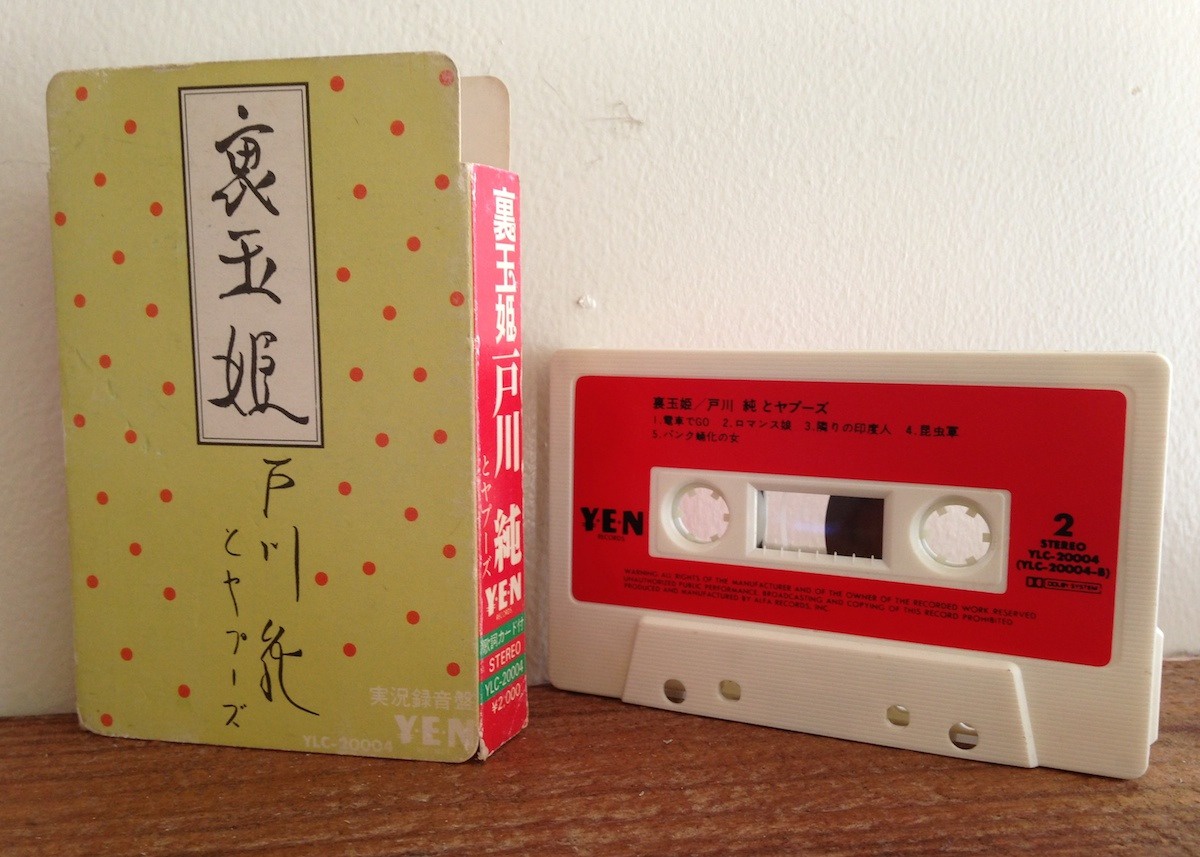
In 1984, during a hiatus on Guernica, she released a live album Ura Tamahime with a backing band called Yapoos; the band included some former Halmens members and the album featured several covers of Halmens songs. The same year, she released her debut solo album Tamahime-sama (also on YEN), containing themes of menstruation, womanhood, and romance with a recurring insect and pupa motif. The following year, she came out with album Kyokuto Ian Shoka (Far Eastern Comfort Songs) with a backing band called the Jun Togawa Unit. Later that year she released her album Suki Suki Daisuki, a satirical take on aidoru music, this time under her own Alfa Records sublabel, HYS.
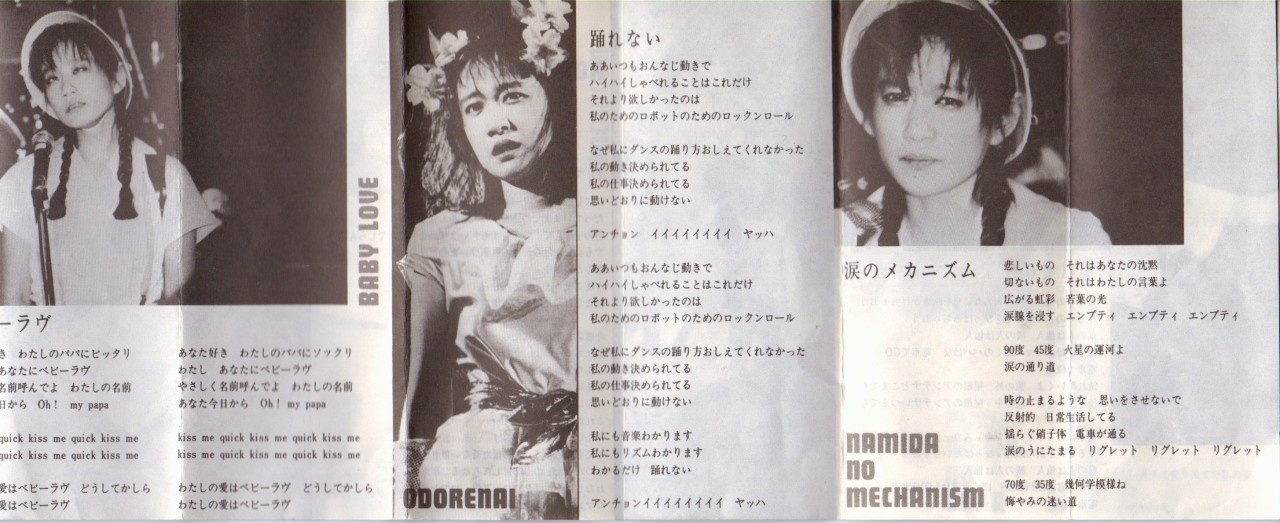
She joined Yapoos and solidified the group as an official band, releasing their first album in 1987. She did two more albums with Guernica in 1988 and 1989, and continued singing with Yapoos, releasing albums mainly into the mid 90s, then one in 2003 and another in 2019. Generally the differentiation between her self-named bands and the Yapoos has been a greater degree of collaboration in the latter.

Although she never achieved major pop success, she survived as an influential and respected underground music figure both solo and as the lead singer of Guernica and her most commercial project Yapoos where she is particularly noted for her connection to eroguro culture


Notable collaborators over the years include Haruomi Hosono who sponsored Guernica's first album and produced & wrote music for some of her earlier works. Her late sister Kyoko Togawa was an actress who at times ventured into the music world and cross collaborated at times. Around 1990 Jun shared management with Susumu Hirasawa resulting in quite a number of collaborations.

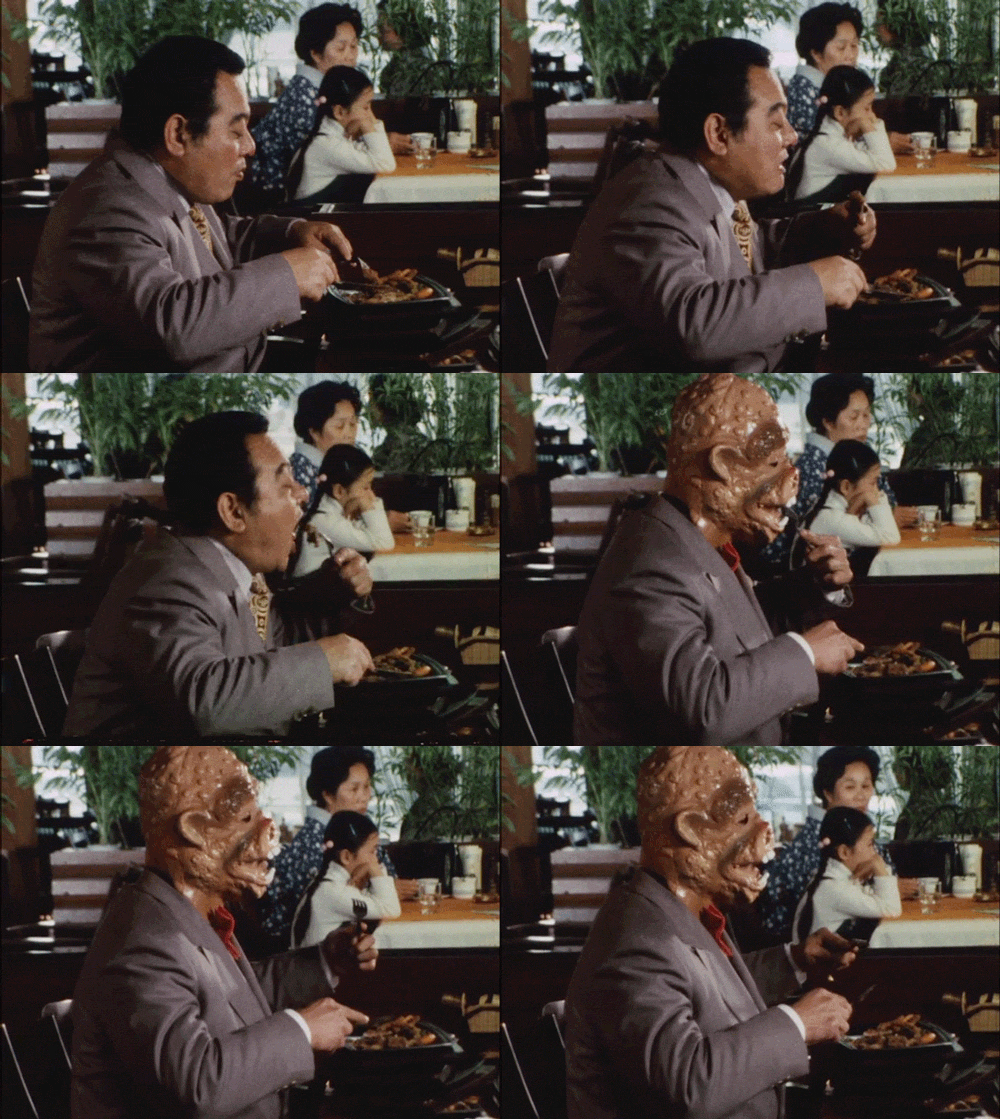
She has acted in the films Untamagiru and The Family Game

In 1989, Susumu Hirasawa, who had placed his band P-MODEL on hiatus, joined the Yapoos as support, appearing in the “Bach Studio II” section of the TV program “Yume de Aietara”, where he played in a session with Downtown, Ucchan Nanchan and Susumu Hirasawa.

In 1991, Togawa appeared on the TV Tokyo program Jun Togawa x Susumu Hirasawa (MC: Kenzo Saeki) “Jun Togawa Revival Festival!”

In 1992, Susumu Hirasawa offered her “Beals (1992)” as a Yapoos song.

In 1995, “Showa Kyounen” was released to commemorate the 10th anniversary of Jun Togawa's performing career. Based on the concept of “covering nostalgic melodies of the Showa era,” the album contained six songs arranged by Susumu Hirasawa. The songs include “Ribbon Knight” composed by Isao Tomita and arranged by Susumu Hirasawa.

Her 2004 album, Togawa Fiction, with the Jun Togawa Band, featured elements of progressive rock, electropop and other genres. In 2008, she released a career-spanning three-CD boxed set, Togawa Legend Self Select Best & Rare 1979-2008 which featured many of her most popular songs along with several scarcer tracks and hard to find collaborations.

She marked the 35th anniversary of her professional career in 2016 by releasing new collaboration albums with Vampillia and Hijokaidan, her first new recordings in twelve years.


#doooongRead

A Boy Like This

Who would know The hidden places, the concealed plots hiding in his hair? Who would know This boy restores beauty, slipping into the tongue. This boy, as he said, will remain at the core of the missile. And who would know The mysterious inhale, exhale—this boy, Entering through the nose. He was born in a half-awake dream, A sensitive boy who likes to enter the carriage through the head, Meeting a pearl-like, enchanting cradle. And who would know A boy like this, Lurking at the ocean's mouth, wrapping around the stomach and ears. To a boy like this, To a boy like this, Give a thief like this, Who secretly scrapes away his germs.

#Yesteryear #doooongMuse

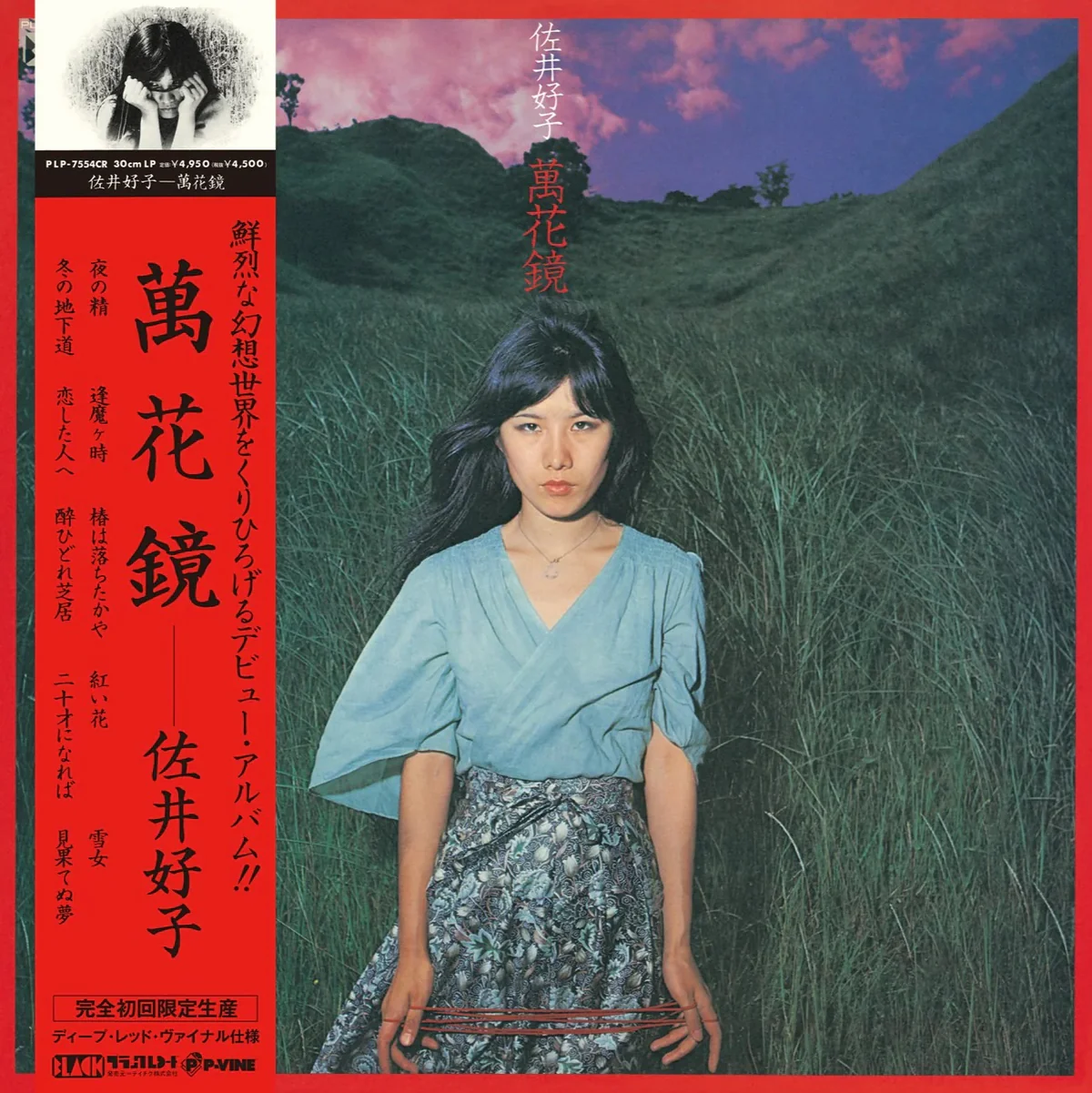
佐井好子

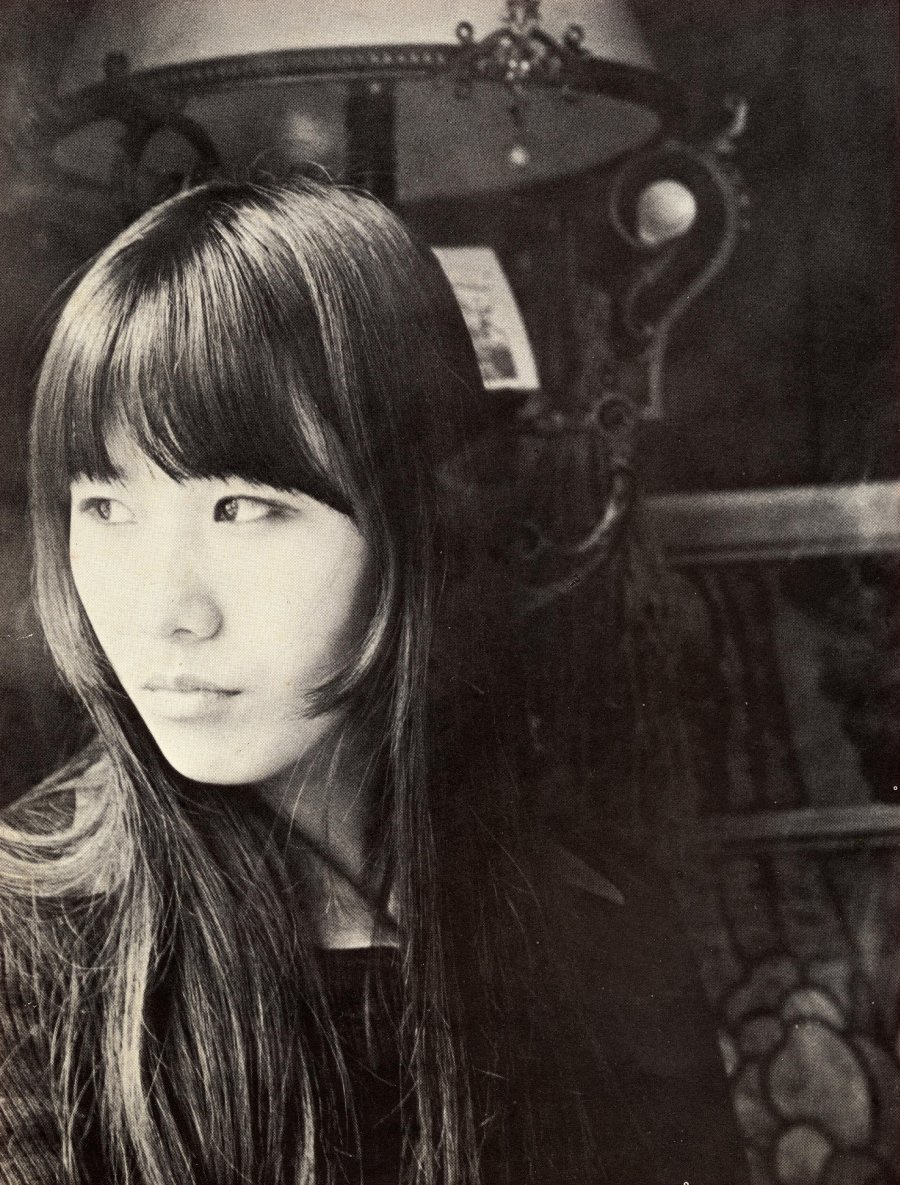
1976 Photography: Takigakiuchi Tsuyoshi (from the Teichiku “Yoshiko Sai” pamphlet)

Yoshiko Sai (佐井 好子, Sai Yoshiko; born 22 June 1953) is a Japanese singer, composer and poet.

Link

阅读更多

#playlist #doooongMusic

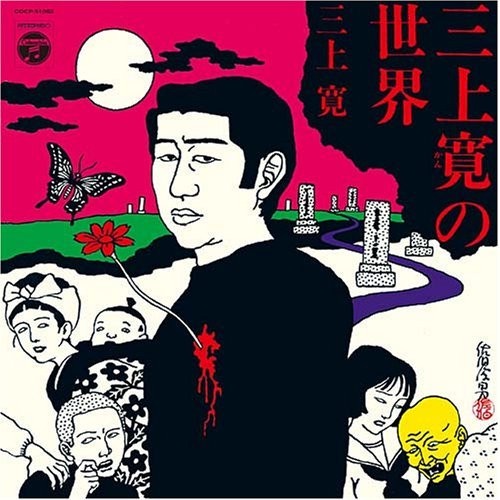
Kan Mikami 三上寛

Japanese underground folk singer, actor, author, TV presenter and poet.

Born in the village of Kodomari, Aomori prefecture in 1950. In the seventies he released several albums on major labels like Columbia. Since 1990 he has been associated with the independent label P.S.F. Records.

Has collaborated with many musicians, including Keiji Haino, Motoharu Yoshizawa, John Zorn, Sunny Murray, Tomokawa Kazuki, etc.

Formerly a member of the groups Vajra (2) (with Keiji Haino and Toshi Ishizuka), and Sanjah (with Masayoshi Urabe).

Lake Full of Urine

When I see the sunset, I feel lonely. When I see the stars, tears well up.

Into the lake full of urine, You and I jump together. The song we sing is the Wanderer’s Song, The dance we perform is a Bon Odori.

So, so— It doesn’t matter what—smash it to bits. It doesn’t matter what—expose it all.

When I hear the steam whistle, I recall memories. When I see a photograph, I long to return home.

On the bright red-dyed briefs, Support the gentle flowers. Then let’s talk about little drunken tales, Even the tears flow as blood tears.

So, so— It doesn’t matter what—smash it to bits. It doesn’t matter what—expose it all.

When I walk into the streets, I feel regret. When the wind blows, I remember.

In Tokyo, full of people, Let the flowers of resentment bloom. Then let’s run, all the way to the ends of hell. Next time I’m born, I’ll be a god.

So, so— It doesn’t matter what—smash it to bits. It doesn’t matter what—expose it all.

Tracklist

  • 馬鹿ぶし
  • ものな子守歌
  • カラス
  • 数珠の玉切れる日に
  • おど
  • なぜ
  • ピストル魔の少年
  • 黒い小さな貨物列車
  • 小便だらけの湖
  • 夢は夜ひらく

download

#doooongRead

Behind my house, on the desolate mountain, stands a small hut built of wooden planks.

Every day, I clean out the drawers at home. When I’m not cleaning the drawers, I sit in a wicker chair with my hands flat on my knees, listening to the howling. The north wind fiercely lashes the shingled roof of the hut made from cedar bark, and the wolves’ howls echo through the valley.

“You’ll never finish tidying those drawers, humph,” my mother says, giving me a false smile.

“Everyone’s ears are broken,” I say, holding my breath to continue, “Under the moonlight, so many thieves linger around this house. When I turn on the light, I see countless finger holes poked into the window glass. In the room next door, your and father’s snores are unusually loud, shaking the bottles and jars in the cupboard. I kick the bedboard, turn my swollen head to the side, and hear the person locked in the hut furiously banging on the wooden door—a sound that lasts until dawn.”

阅读更多

#playlist #doooongMusic

The songs seem to be sung in the vocal style desired by the composers, resulting in a rich and varied composition.

There are also some parts that are a little humorous.


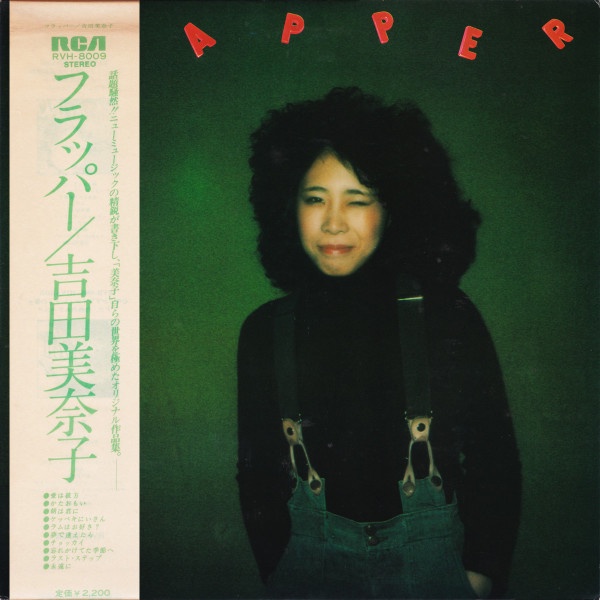
Yoshida Minako (吉田美奈子) is a Japanese singer-songwriter, composer, and producer.

Yoshida always had a desire to work in the music industry, and while in high school she temporarily joined the Tokyo Kid Brothers musical troupe as a backing musician alongside studio musicians Hosono Haruomi and Matsumoto Takashi, who befriended her and recommended she start out in songwriting. She continued her career as a backup musician for various different bands, but also began writing her own music and lyrics around 1971. In 1972, she was recruited by singer-songwriter Otaki Eiichi and began her professional career. In 1973 she was introduced to fledgling studio musician Yamashita Tatsuro and the pair became frequent collaborators on each other's work as well as for other singer-songwriters such as Matsutoya Yumi.

She remains relatively active to this day, mostly as a live performer.

Tracklist

  • 愛は彼方
  • かたおもい
  • 朝は君に
  • ケッペキにいさん
  • ラムはお好き?
  • 夢で逢えたら
  • チョッカイ
  • 忘れかけてた季節へ
  • ラスト・ステップ
  • 永遠に

link

download

#doooongCook

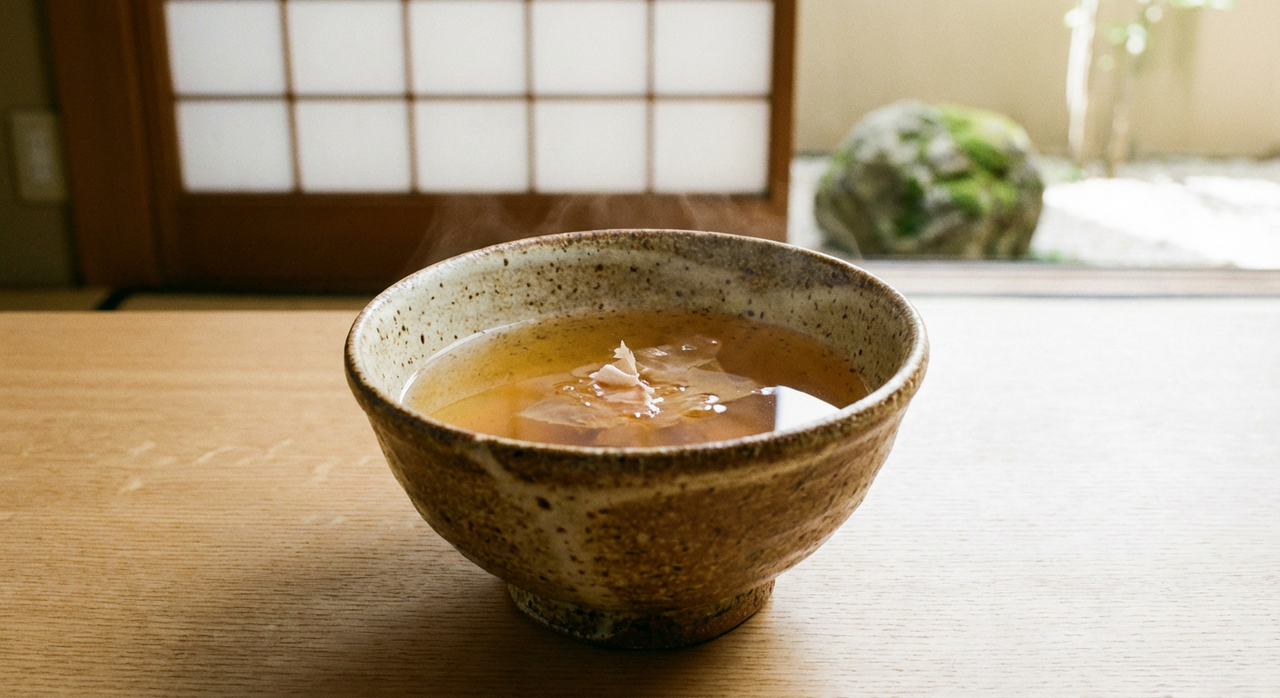
Dashi is the soul of Japanese cuisine, enhancing dishes with its profound umami flavor. Today, I’d like to share doooong’s unique dashi-making process. Every step is meticulously controlled to ensure the final broth is clear, flavorful, and brimming with the essence of kombu and katsuobushi.


Ingredients

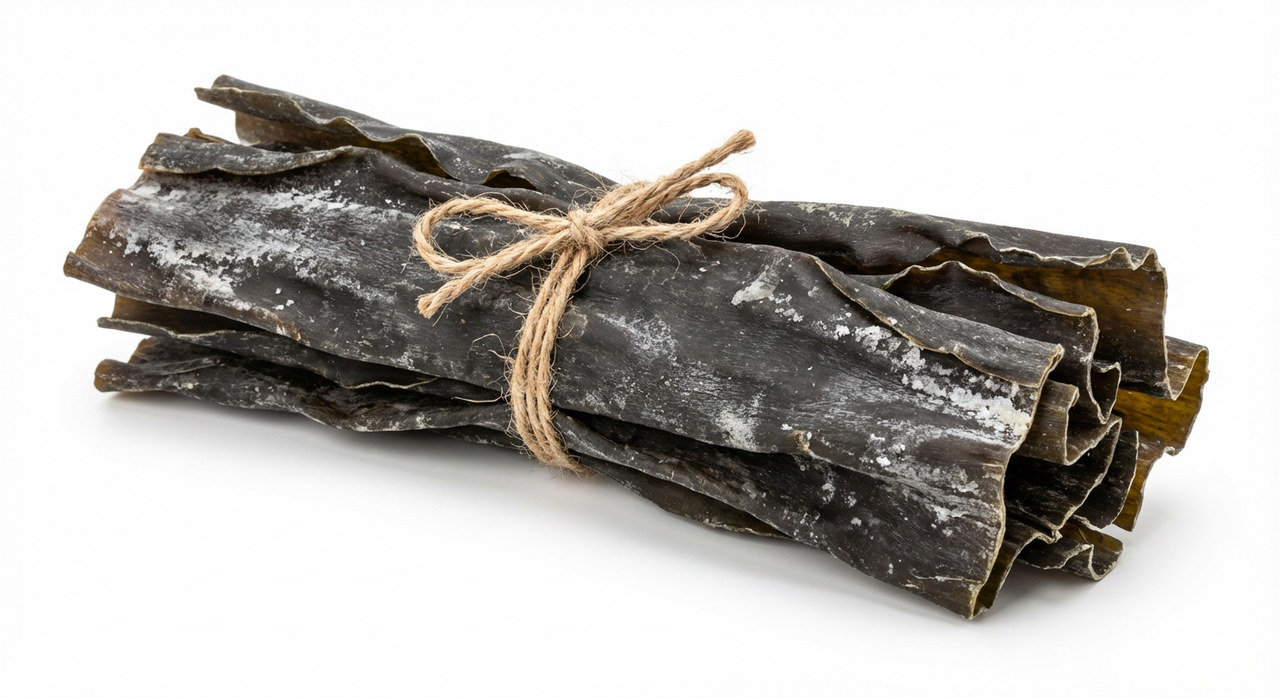
Kombu (Kelp)

Kombu is a type of seaweed rich in natural glutamic acid, the primary source of dashi’s umami flavor. We use high-quality Hokkaido kombu, which has a thick, rich texture and imparts a more robust flavor.

Katsuobushi (Bonito Flakes)

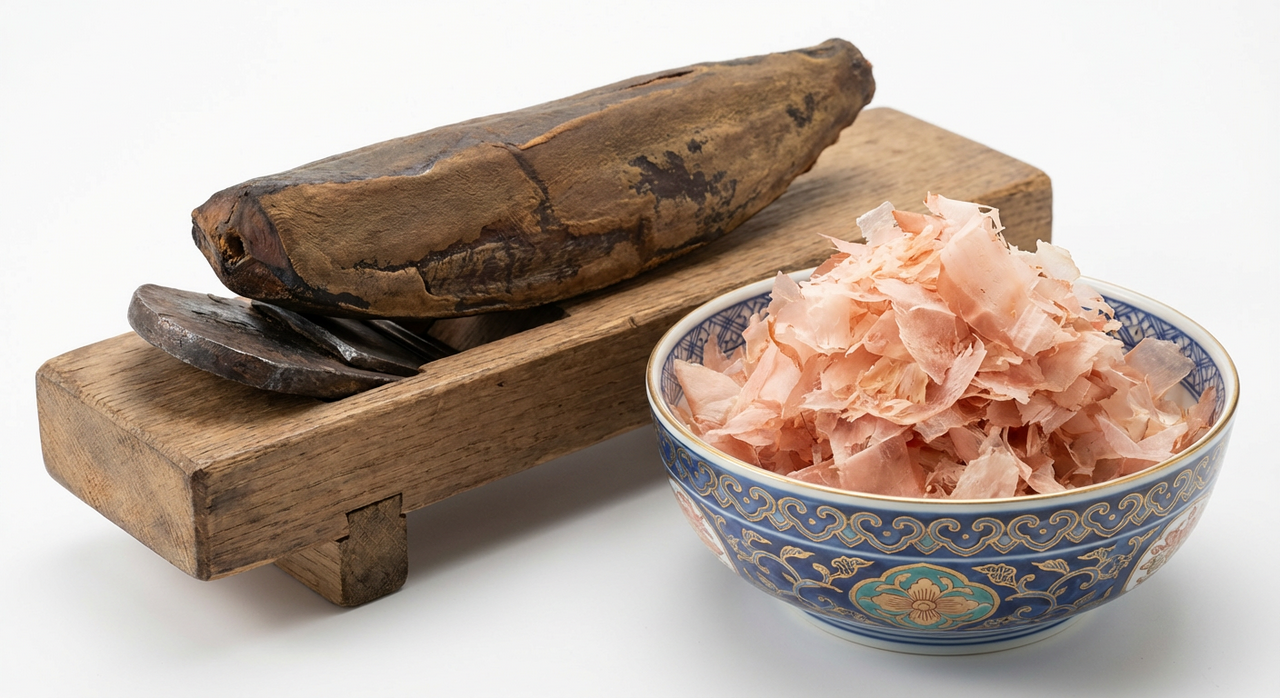
Katsuobushi, thinly shaved flakes of fermented and dried bonito, adds a smoky aroma and layers of umami to the dashi.


Steps to Make doooong’s Dashi

At doooong, we follow a three-step process to maximize the umami extraction from kombu and katsuobushi, carefully controlling both time and temperature.

1. Soak the Kombu

We start by soaking kombu in cold water overnight (at least 8 hours). Cold soaking gently releases the kombu’s glutamic acid without overheating, which can cause bitterness.

  • Tip: If you’re short on time, you can use slightly warm water (around 30°C) to accelerate the process, though the flavor may not be as deep.

2. Heat the Kombu Water

The next day, we slowly heat the kombu-infused water to about 80°C. This temperature is ideal for extracting the kombu’s umami while avoiding the release of excess impurities.

  • Important Note: If the temperature exceeds 90°C or reaches boiling, the kombu may release sticky substances, making the broth cloudy and bitter. To avoid this, use gentle heat and monitor the temperature carefully.
  • Tip: When tiny bubbles start forming around the edges of the pot, it’s time to remove the kombu.

3. Add the Katsuobushi

Once the kombu is removed, we immediately add a measured amount of katsuobushi to the hot kombu water. The high temperature quickly extracts the katsuobushi’s umami and aroma.

  • Caution: Don’t overcook the katsuobushi, as prolonged boiling can result in bitterness or off-flavors.

4. Strain and Finish

After turning off the heat, let the katsuobushi settle for a few minutes. Then, strain the dashi through a fine mesh or cloth, removing any solids to leave a crystal-clear, umami-rich broth. Your dashi is now ready!


Tips for the Perfect Dashi

  • Choosing Kombu: High-quality kombu often has a white powdery coating, which is natural mannitol (a source of umami). Do not rinse it off; a gentle wipe with a dry cloth is sufficient.
  • Katsuobushi Measurement: Adjust the amount of katsuobushi to your taste. Typically, 10–15 grams per liter of water works best.
  • Precise Temperature: Temperature control is critical during the process, especially when heating the kombu water.

Conclusion

While making dashi may seem simple, it requires precise attention to detail at every step. At doooong, we remain committed to using premium ingredients and traditional techniques, ensuring that every drop of broth is infused with natural umami and crafted with care.

We hope this guide gives you a better understanding of the art of dashi-making. Visit us at doooong to taste the richness and warmth of this essential Japanese broth in our dishes!

#playlist #doooongMusic

Tracklist:

  • The Photographer: ACT I: 'A Gentleman's Honor'
  • The Photographer: ACT II
  • The Photographer: 'A Gentleman's Honor' (Instrumental)
  • The Photographer: ACT III

link

download

#food

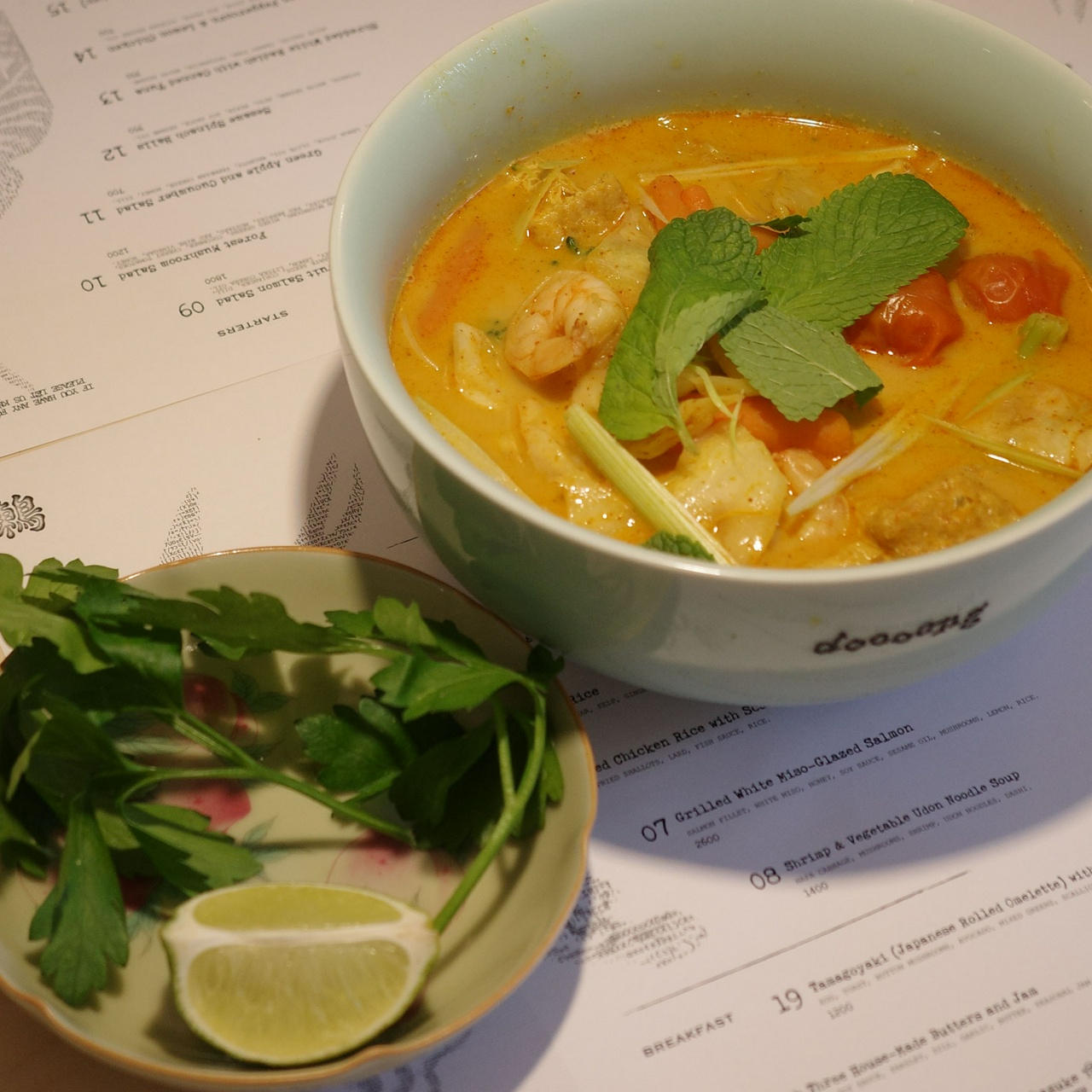
Curry Laksa is a classic Southeast Asian delicacy, beloved by the people of Malaysia and Singapore. The highlight of this dish is its rich and aromatic coconut curry broth, infused with a slightly spicy and coconutty fragrance that’s incredibly appetizing.

A typical bowl of Curry Laksa is prepared with silky rice noodles or egg noodles as the base, topped with fresh prawns, tofu puffs, fish cakes, boiled eggs, and bean sprouts, garnished with lime and chili paste. The combination offers a variety of textures and intense flavors. The broth is a slow-cooked blend of coconut milk, curry paste, lemongrass, shrimp paste, and a medley of spices, resulting in a creamy, spicy, and satisfying taste.

This dish is perfect for chilly weather—warming both body and soul. If you’re a fan of bold curry flavors, you must give this Southeast Asian classic a try!

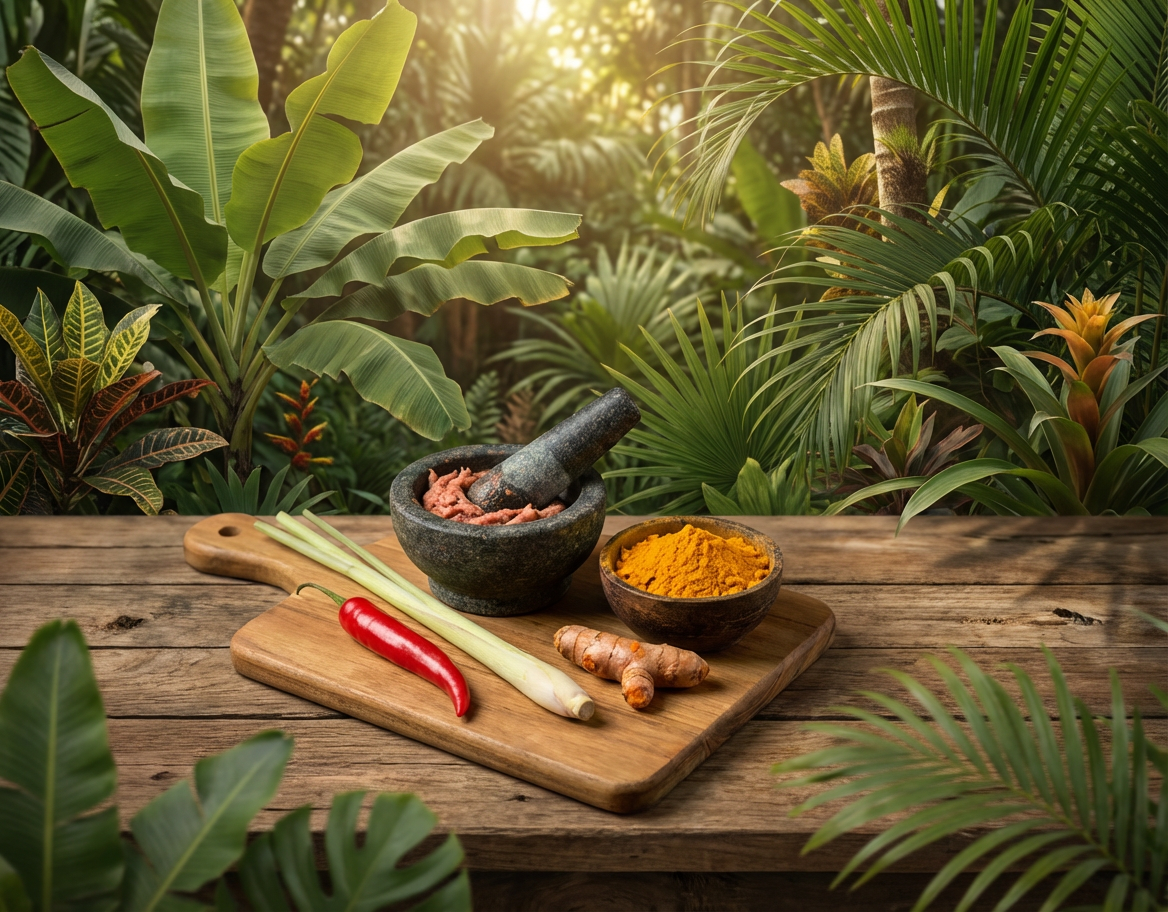
Lemongrass is a common spice in Southeast Asian cuisine and also holds medicinal value. In traditional medicine, lemongrass is believed to have the following benefits:

  • Aids Digestion: Lemongrass can help alleviate bloating, indigestion, and other digestive issues. It is often used in teas to support gut health.
  • Antibacterial and Anti-inflammatory: Lemongrass contains natural antibacterial properties that can help alleviate cold symptoms and inhibit bacterial infections.
  • Calms the Nervous System: Its refreshing aroma helps reduce stress and promotes relaxation of both the body and mind.

Turmeric, widely used for its active compound Curcumin, is not only a culinary ingredient but also a staple in traditional Chinese medicine and Ayurvedic practices. Its primary benefits include:

  • Anti-inflammatory: Curcumin has strong anti-inflammatory properties, offering relief to those with arthritis.
  • Antioxidant: It neutralizes free radicals, helping to protect cells and slow down aging.
  • Aids Digestion: Turmeric stimulates bile secretion, improving digestion and relieving indigestion.
  • Boosts Immunity: Turmeric helps strengthen the immune system and combats various diseases.

Enter your email to subscribe to updates.