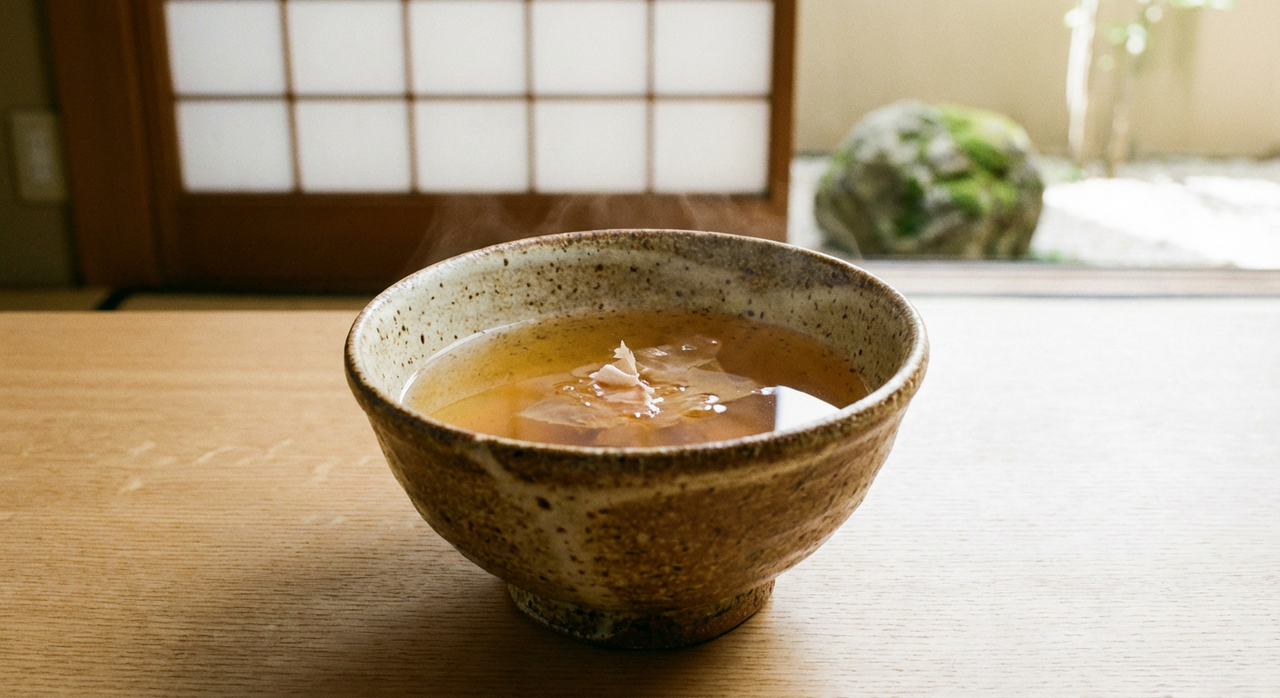
How to Make Japanese Dashi at doooong
Dashi is the soul of Japanese cuisine, enhancing dishes with its profound umami flavor. Today, I’d like to share doooong’s unique dashi-making process. Every step is meticulously controlled to ensure the final broth is clear, flavorful, and brimming with the essence of kombu and katsuobushi.
Ingredients
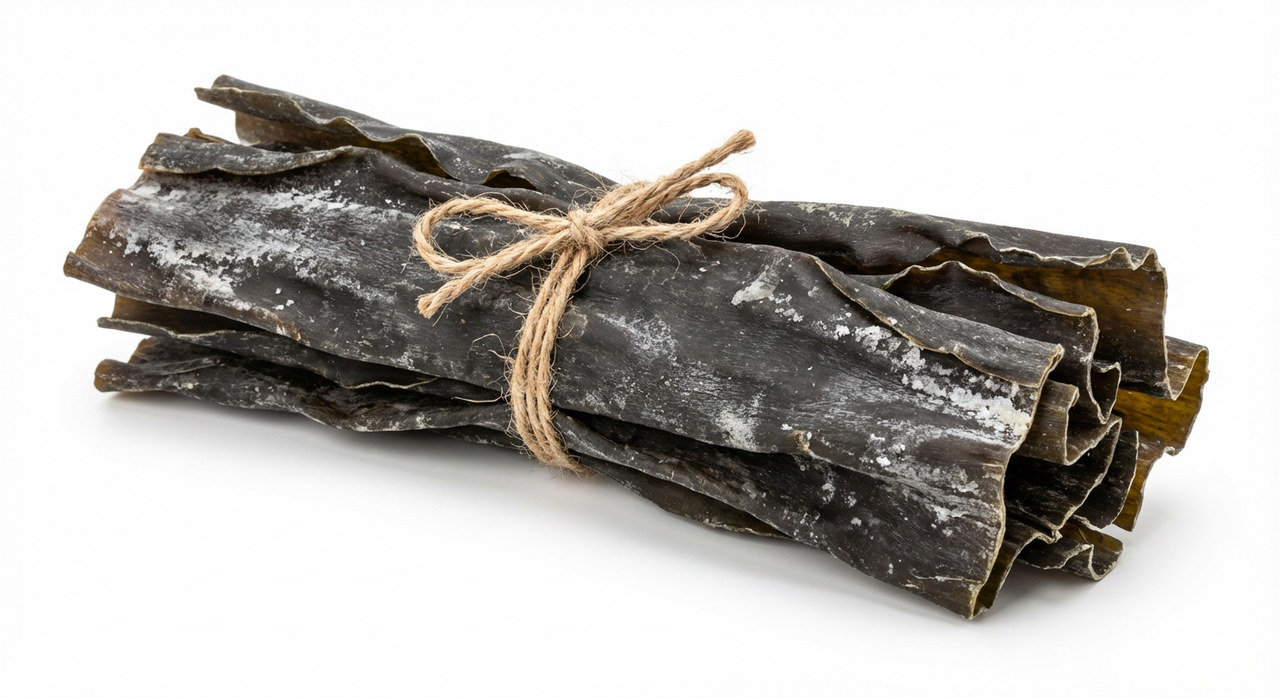
Kombu (Kelp)
Kombu is a type of seaweed rich in natural glutamic acid, the primary source of dashi’s umami flavor. We use high-quality Hokkaido kombu, which has a thick, rich texture and imparts a more robust flavor.
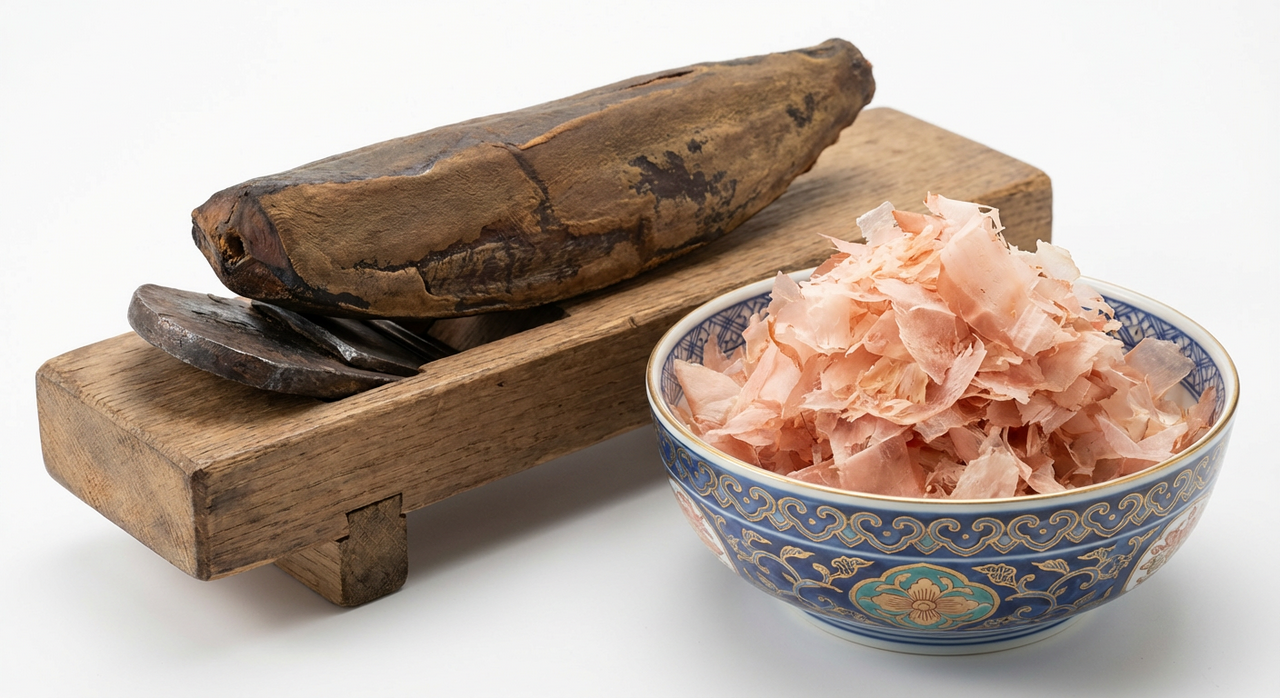
Katsuobushi (Bonito Flakes)
Katsuobushi, thinly shaved flakes of fermented and dried bonito, adds a smoky aroma and layers of umami to the dashi.
Steps to Make doooong’s Dashi
At doooong, we follow a three-step process to maximize the umami extraction from kombu and katsuobushi, carefully controlling both time and temperature.
1. Soak the Kombu
We start by soaking kombu in cold water overnight (at least 8 hours). Cold soaking gently releases the kombu’s glutamic acid without overheating, which can cause bitterness.
- Tip: If you’re short on time, you can use slightly warm water (around 30°C) to accelerate the process, though the flavor may not be as deep.
2. Heat the Kombu Water
The next day, we slowly heat the kombu-infused water to about 80°C. This temperature is ideal for extracting the kombu’s umami while avoiding the release of excess impurities.
- Important Note: If the temperature exceeds 90°C or reaches boiling, the kombu may release sticky substances, making the broth cloudy and bitter. To avoid this, use gentle heat and monitor the temperature carefully.
- Tip: When tiny bubbles start forming around the edges of the pot, it’s time to remove the kombu.
3. Add the Katsuobushi
Once the kombu is removed, we immediately add a measured amount of katsuobushi to the hot kombu water. The high temperature quickly extracts the katsuobushi’s umami and aroma.
- Caution: Don’t overcook the katsuobushi, as prolonged boiling can result in bitterness or off-flavors.
4. Strain and Finish
After turning off the heat, let the katsuobushi settle for a few minutes. Then, strain the dashi through a fine mesh or cloth, removing any solids to leave a crystal-clear, umami-rich broth. Your dashi is now ready!
Tips for the Perfect Dashi
- Choosing Kombu: High-quality kombu often has a white powdery coating, which is natural mannitol (a source of umami). Do not rinse it off; a gentle wipe with a dry cloth is sufficient.
- Katsuobushi Measurement: Adjust the amount of katsuobushi to your taste. Typically, 10–15 grams per liter of water works best.
- Precise Temperature: Temperature control is critical during the process, especially when heating the kombu water.
Conclusion
While making dashi may seem simple, it requires precise attention to detail at every step. At doooong, we remain committed to using premium ingredients and traditional techniques, ensuring that every drop of broth is infused with natural umami and crafted with care.
We hope this guide gives you a better understanding of the art of dashi-making. Visit us at doooong to taste the richness and warmth of this essential Japanese broth in our dishes!